Fire Doesn't Just Melt Your Keypad — It Clogs Your Keyway
Fire-rated safes protect what is inside. But the keypad on the outside? It melts, and the molten plastic can seal shut your only backup entry point.
Understand the Threat
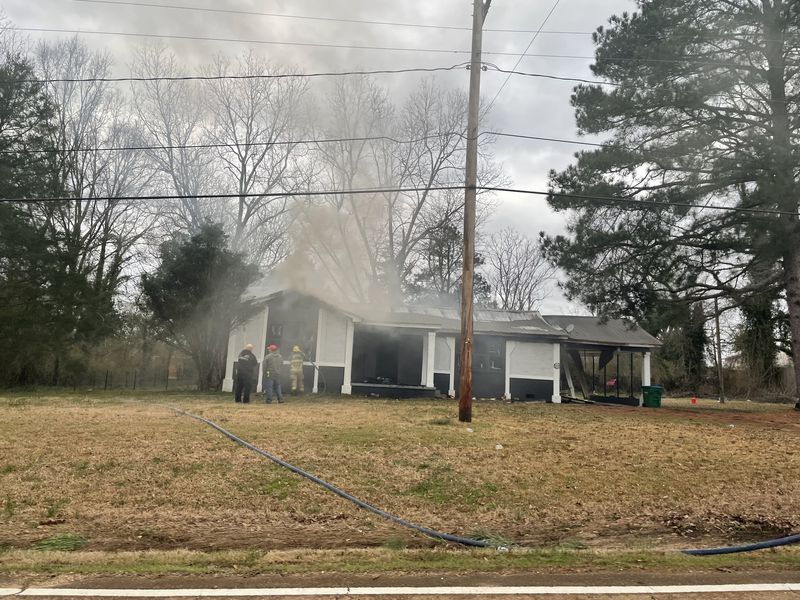
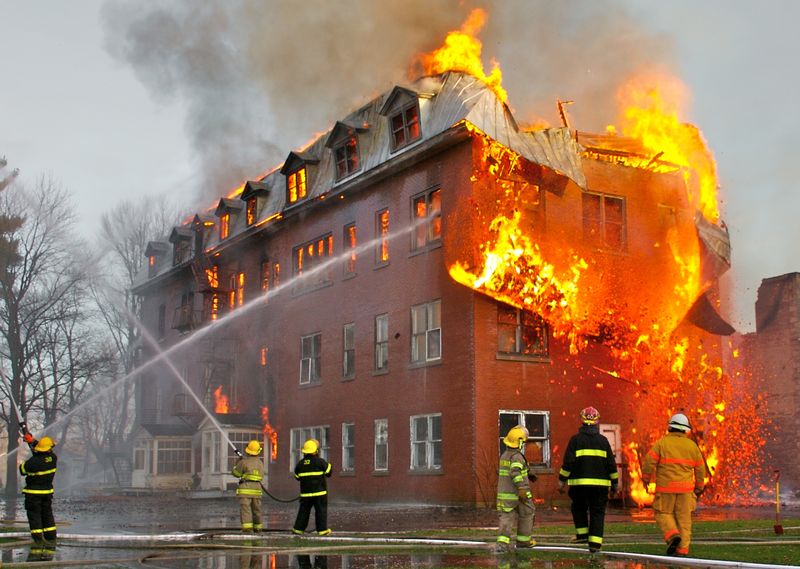
A residential structure fire can exceed 1,100 degrees Fahrenheit — but your keypad's ABS plastic housing begins to soften at just 200°F and fully melts between 400–500°F. When it melts, gravity pulls the liquefied plastic downward into the backup keyway located directly below, hardening into a solid plug. The result is a devastating double failure: the electronic keypad is destroyed and the mechanical key override is sealed shut, leaving a fire-rated safe that protected its contents perfectly — but cannot be opened.
The Problem
The Fire Rating Blind Spot
When most people buy a fire-rated safe, they assume everything about it is protected from fire. The UL rating on the door, the thick insulation in the walls, the fire seal that expands to block smoke — it all creates a reassuring picture of total protection. What they do not realize is that the fire rating applies exclusively to the interior contents. The electronic keypad mounted on the exterior of the door is completely unprotected, fully exposed to ambient room temperatures that can exceed 1,100 degrees Fahrenheit in a residential structure fire.
Melt, Flow, Seal
The typical electronic safe keypad is housed in ABS plastic or polycarbonate. ABS begins to soften at around 200 degrees Fahrenheit and reaches full melt between 400 and 500 degrees. Polycarbonate holds slightly longer but ultimately succumbs well below the temperatures reached in even a modest house fire. When that housing melts, it does not simply deform in place. Gravity pulls the liquefied plastic downward across the face of the safe door. And here is the detail that almost nobody considers until it is too late: on most electronic safes, the backup keyway is located directly below the keypad. Molten plastic flows directly into the key override slot, hardening as it cools into a solid plug that makes key access impossible.
Double Failure: Keypad and Keyway
This creates a devastating double failure. The electronic keypad is destroyed, so digital access is gone. The backup keyway is clogged with hardened plastic, so mechanical override is also gone. Your fire-rated safe has successfully protected its contents from the fire, but you cannot open it. The safe has done exactly what it was designed to do — and you still cannot get to your documents, cash, medications, or firearms when you need them most.
More Common Than You Think
The scenarios where this occurs are more common than people expect. House fires are the obvious case, but garage and workshop fires present a concentrated risk since many gun safes live in garages alongside flammable materials like gasoline, solvents, and paint. A water heater failure or furnace malfunction can produce enough radiant heat to damage a keypad mounted on a safe positioned nearby. Even a small kitchen fire that is quickly extinguished can push enough heat through a hallway to soften a keypad in an adjacent room, because ABS plastic begins degrading at temperatures that feel merely uncomfortably warm to humans.
The Premium That Leaves You Locked Out
There is a bitter irony in this vulnerability. People buy fire-rated safes specifically because they want to protect their valuables during a fire. They pay a premium for higher fire ratings — 30 minutes, 60 minutes, 90 minutes of interior protection at 1,700 degrees Fahrenheit. But the keypad that controls access to everything inside has zero fire rating. It is an unprotected plastic component mounted on the exterior of an otherwise heavily engineered steel enclosure. The very crisis that the safe was purchased to survive is the crisis most likely to make it permanently inaccessible.
A Gap No One Has Fixed
Safe manufacturers are aware of this issue, but addressing it would require redesigning the keypad housing with heat-resistant materials, which would add cost and complexity. Instead, they rely on the assumption that owners will use the backup key — the same backup key that melted plastic has now sealed shut. It is a gap in the product design that has persisted for decades because the consequences only become apparent during an actual fire, and by then it is too late for the owner to do anything about it.

How CLOAK Solves It
Cerakote Aluminum Shell
Primary Heat BarrierThe outermost layer is a precision-formed aluminum shell finished with Cerakote, a ceramic-polymer coating originally developed for firearms. This layer acts as the primary heat barrier, reflecting radiant heat and preventing direct flame contact with the inner protective layers. Aluminum's high thermal conductivity spreads heat across the surface rather than allowing hotspots to form, buying critical time for the insulating layers beneath.
Fireproof Felt
Thermal Insulation LayerWelding-blanket-grade fireproof felt provides dedicated thermal insulation between the outer shell and the keypad. This material is engineered to resist direct flame and extreme radiant heat, dramatically slowing heat transfer to the electronics underneath. It serves the same function as the insulation inside your safe's walls — but for the keypad that the safe manufacturer left exposed.
Nylon 6/12 Dual-Wall Shell
Structural ReinforcementThe inner structural layer is injection-molded from Nylon 6/12 in a twin-wall configuration, an engineering-grade polymer selected for its high heat deflection temperature and dimensional stability. Unlike the ABS plastic used in keypad housings, Nylon 6/12 maintains its structural integrity at significantly higher temperatures, ensuring the shield retains its protective shape during a heat event.
Attachment redundancy: CLOAK uses 3M VHB adhesive rated to 300°F for primary attachment. Beyond that temperature threshold, embedded neodymium magnets take over, maintaining the shield's position on the steel safe door and continuing to protect the keypad and keyway from melting debris.
Further Reading
- link Structure fire — How house fires develop and the temperatures they reach
- link Fire-resistance rating — What UL fire ratings actually cover (and what they leave exposed)
- link ABS plastic — The material most keypad housings are made from, and why it melts at low temperatures
From the Founder
Don't Let Fire Lock You Out
CLOAK shields your keypad and keyway from heat damage with three dedicated thermal protection layers. Order now for $249 with free US shipping. 30-day money-back guarantee on unused units.