Water Doesn't Need to Flood Your Safe — Just Your Keypad
A burst pipe, a humid basement, even a fire sprinkler going off — it does not take much water to short-circuit an unprotected electronic keypad.
Understand the Threat
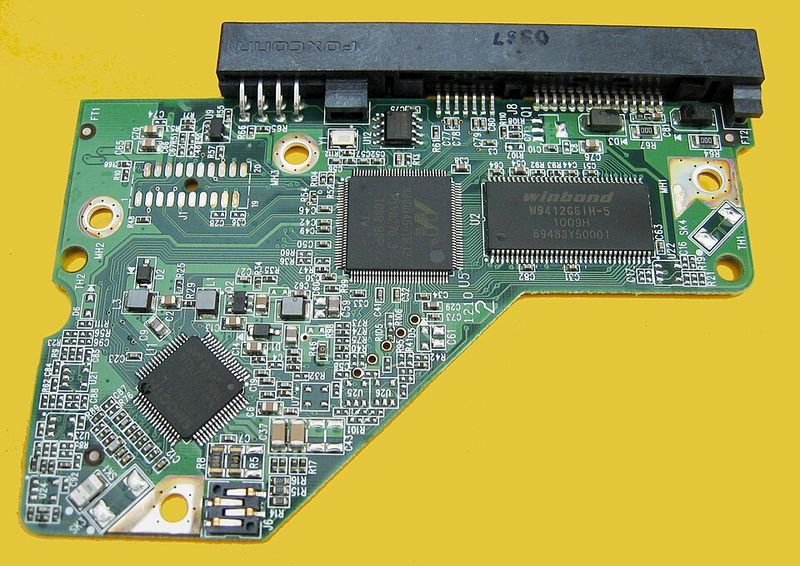
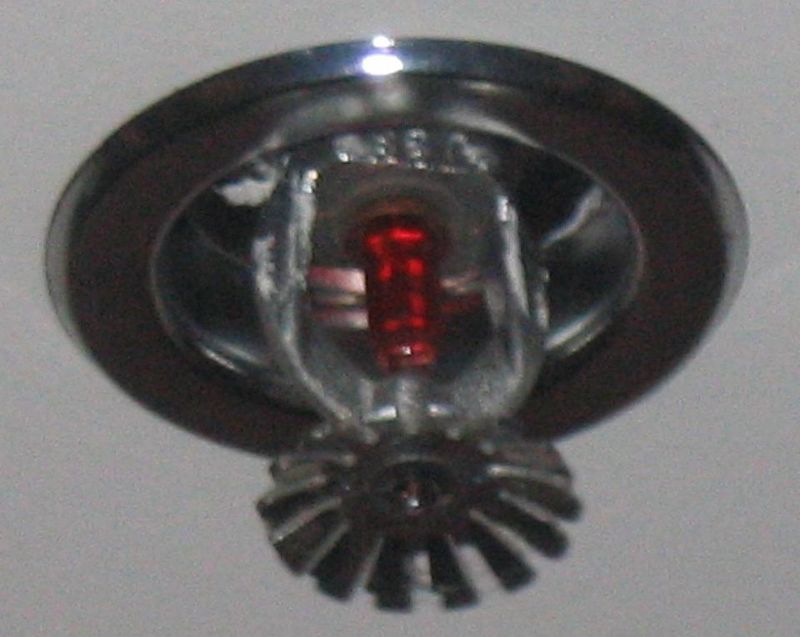
Water damages safe keypads in two ways: sudden events like flooding, burst pipes, and fire sprinkler discharge can short-circuit electronics instantly, while ambient humidity triggers a slower, invisible process of electrochemical corrosion — moisture condensing on circuit traces and solder joints creates tiny electrical currents between dissimilar metals that eat away at the conductive paths over weeks or months. By the time intermittent button failures or display flickers appear, the circuit board is permanently compromised.
The Problem
Silent and Irreversible
Water and electronics have always been enemies, but the vulnerability of safe keypads to moisture is uniquely dangerous because the consequences are both severe and often invisible until it is too late. Unlike fire or impact, which produce immediate and obvious damage, water can destroy your keypad through a slow, silent process of corrosion that takes weeks or months to manifest — and by the time you notice, the damage is irreversible.
Flooding: The Obvious Threat
The most dramatic water threat is direct flooding. Natural disasters like hurricanes, river flooding, and storm surges can submerge a safe entirely, but you do not need a natural catastrophe to flood a keypad. Burst water pipes are among the most common homeowner insurance claims in the United States, and a single failed supply line can dump hundreds of gallons of water into a room in under an hour. Water heater failures, washing machine hose ruptures, and sump pump malfunctions are everyday events that can put standing water in direct contact with your safe's keypad. If your safe is on the floor — and most are, because they weigh hundreds of pounds — even a few inches of water reaches the keypad.
Sprinklers: The Ironic Double Threat
Then there is the ironic double threat of fire sprinkler systems. During a fire, sprinkler heads activate and drench everything in the room with water. Your safe survives the fire because of its fire rating. But the sprinkler water soaks the keypad, short-circuiting the electronics that the fire itself may not have reached. You have protected the safe from one threat only to have its access system destroyed by the protection mechanism for the room. Commercial buildings and newer residential construction increasingly include sprinkler systems, which means this scenario is becoming more common, not less.
Humidity: The Invisible Killer
But the most pervasive water threat is not flooding at all — it is humidity. Millions of safes sit in basements, garages, and utility rooms where relative humidity regularly exceeds 60 percent. At these levels, moisture condenses on metal surfaces, including the exposed circuit board traces, solder joints, and battery contacts inside your keypad. This condensation triggers electrochemical corrosion, a process where dissolved ions in the water create tiny electrical currents between dissimilar metals, slowly eating away at the conductive paths that make the keypad function.
Symptoms You Will Misdiagnose
What makes humidity damage so insidious is its gradual progression. The keypad might work perfectly for two or three years in a damp environment, then begin experiencing intermittent failures — a button press that does not register, a display that flickers, a lockout that clears itself after a few hours. These early symptoms are easy to dismiss as battery issues or user error. By the time the keypad fails completely, the corrosion has spread across multiple circuit traces, and no amount of battery replacement or contact cleaning will restore it. The circuit board is permanently compromised.
Coastal and Salt Air Environments
Coastal environments add salt air to the equation, which accelerates corrosion dramatically. Salt is hygroscopic — it attracts and holds moisture — and the resulting saltwater solution is far more corrosive than pure water. Safe owners in Florida, the Gulf Coast, and other coastal and tropical regions report keypad failures at significantly higher rates than those in dry inland climates. Yet safe manufacturers use the same unprotected keypad housings regardless of where the safe will be installed, offering no moisture sealing or corrosion protection for the most vulnerable component of the entire system.

How CLOAK Solves It
Cerakote Aluminum Shell
Hydrophobic Outer BarrierCerakote is a ceramic-polymer coating that provides exceptional moisture resistance. Originally developed for firearms that must function reliably in rain, snow, and marine environments, the Cerakote finish on CLOAK's aluminum shell creates a hydrophobic barrier that repels water and prevents moisture from penetrating to the inner layers. Unlike paint or powder coat, Cerakote bonds at the molecular level to the aluminum substrate, ensuring the moisture barrier does not chip, peel, or degrade over time.
Sealed Multi-Layer Construction
Complete Moisture EnclosureCLOAK's five-layer stack creates a sealed enclosure around the keypad. The two-piece design — an outer shell and inner base — mates with a magnetic seal that holds the assembly together while preventing water intrusion at the seam. Each layer adds an additional barrier that moisture must penetrate, and the combination of metal, ceramic coating, fabric, and engineered polymer creates a multi-material defense that resists water far more effectively than any single material could alone.
Humidity defense: Even in high-humidity environments, CLOAK's sealed construction reduces the volume of moist air reaching the keypad, dramatically slowing the corrosion cycle. For safe owners in basements, garages, and coastal regions, this passive moisture barrier can extend keypad life by years.
Further Reading
- link Galvanic corrosion — How moisture creates electrical currents that eat away at circuit board traces
- link Flood — Natural and plumbing disasters that put standing water in contact with electronics
- link Fire sprinkler system — The ironic double threat: sprinklers save the room but soak the keypad
From the Founder
Keep Moisture Out of Your Keypad
CLOAK's sealed multi-layer construction shields your keypad from flooding, sprinklers, and the slow corrosion of humidity. Order now for $249 with free US shipping. 30-day money-back guarantee on unused units.